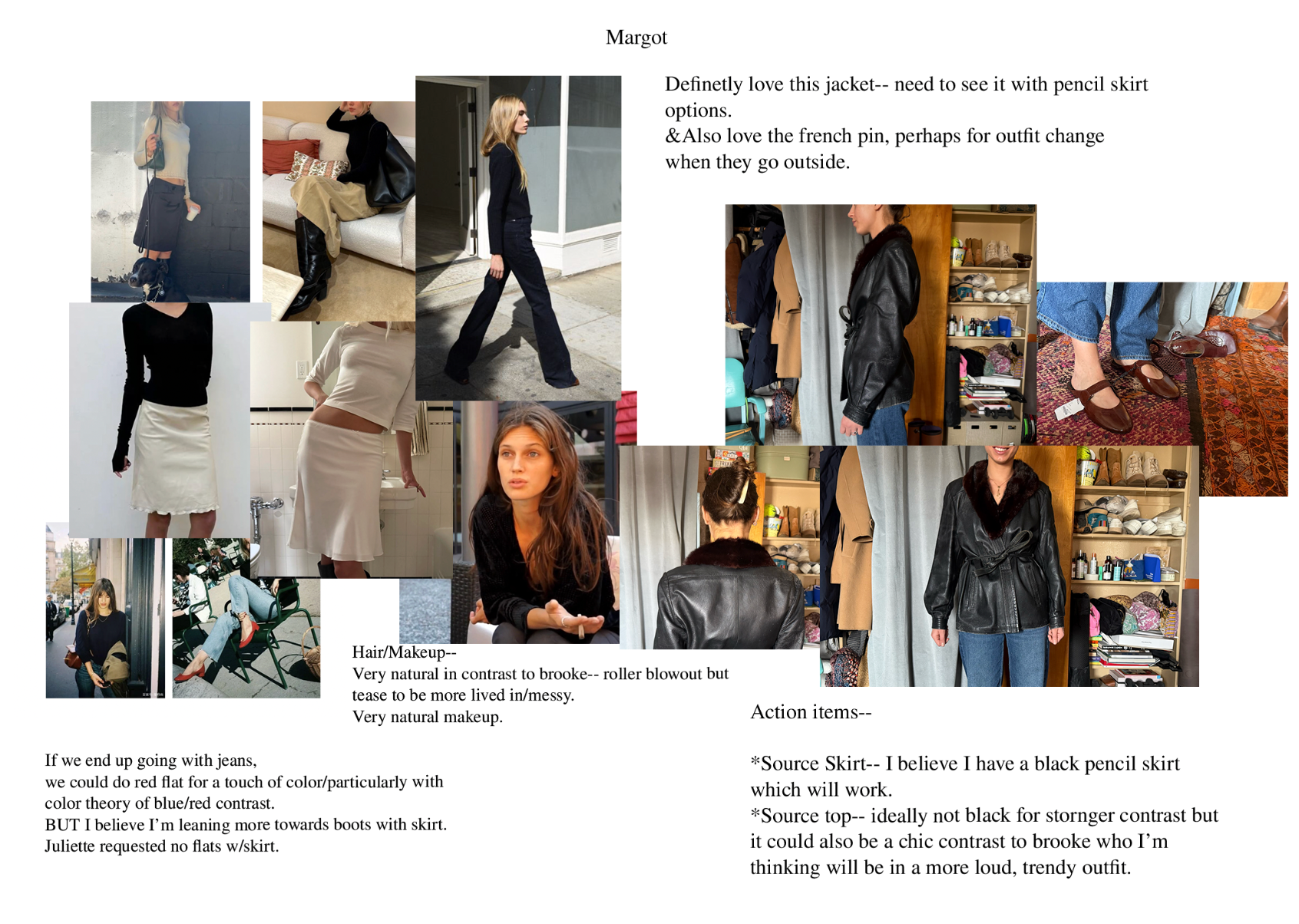
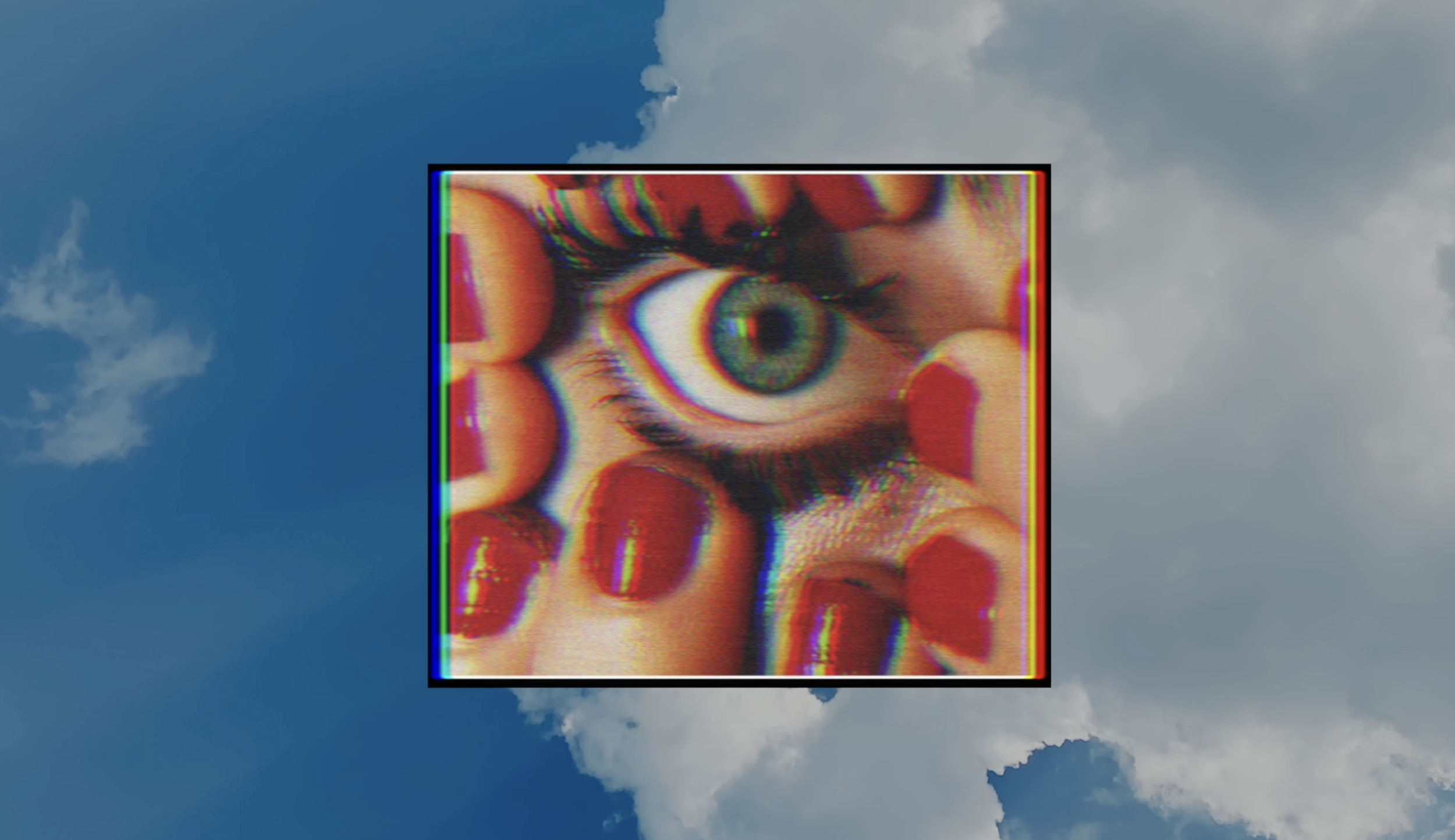
Maladaptive daydreaming is a state of deep, immersive fantasy in which a person mentally withdraws from their immediate reality, often as an unconscious response to stress or trauma. This film explores how music is often used to foster such dissociation, following one girl's singular experience of transporting into her subconscious and confronting her habit of reaching for sound the moment the world becomes too much.
Music, in this story, is not a gift. It is an addiction, and through years of indulgence, it has softened the harshness of being present until presence itself became unbearable.
Maladaptive, A Short Film
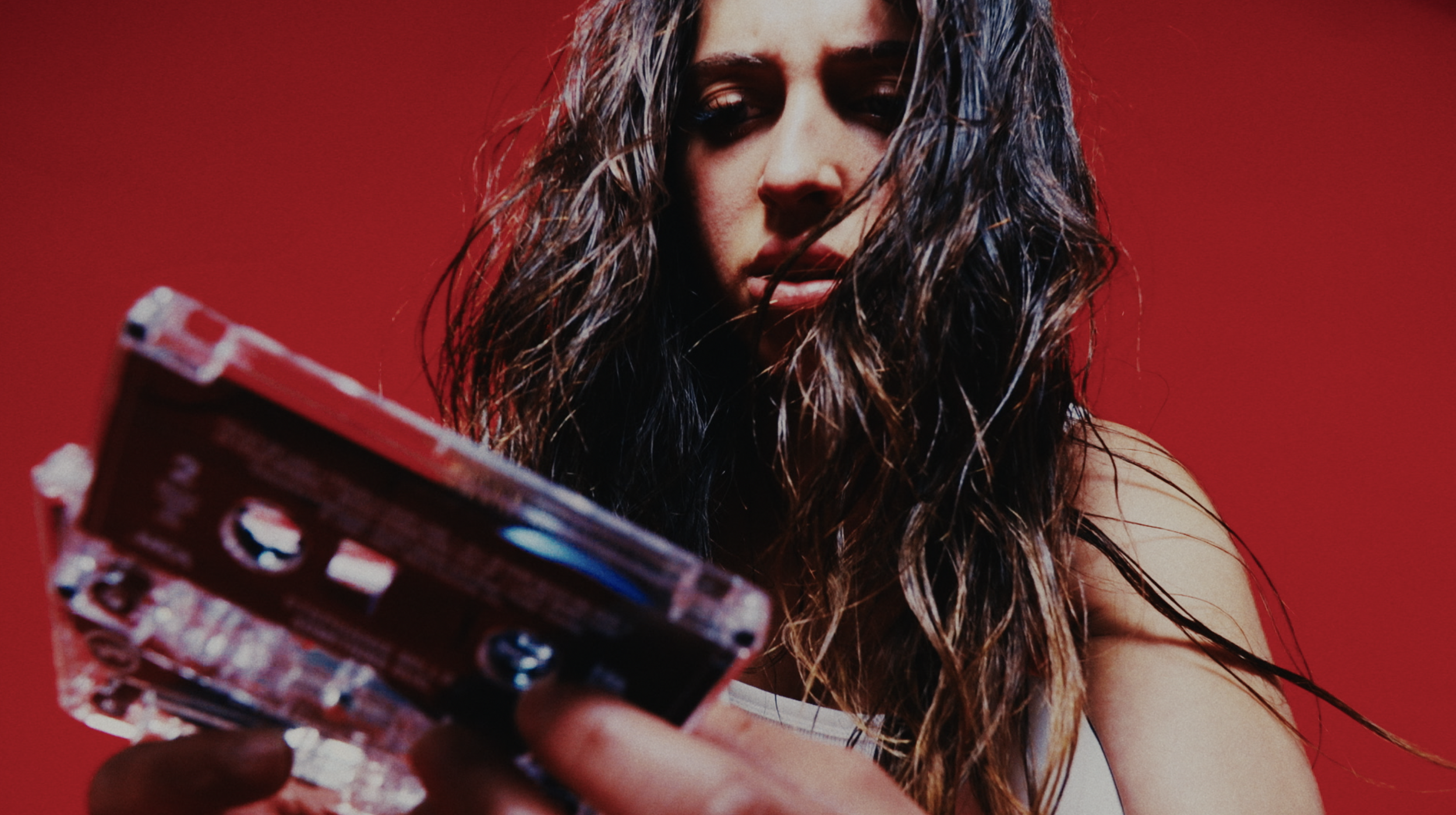
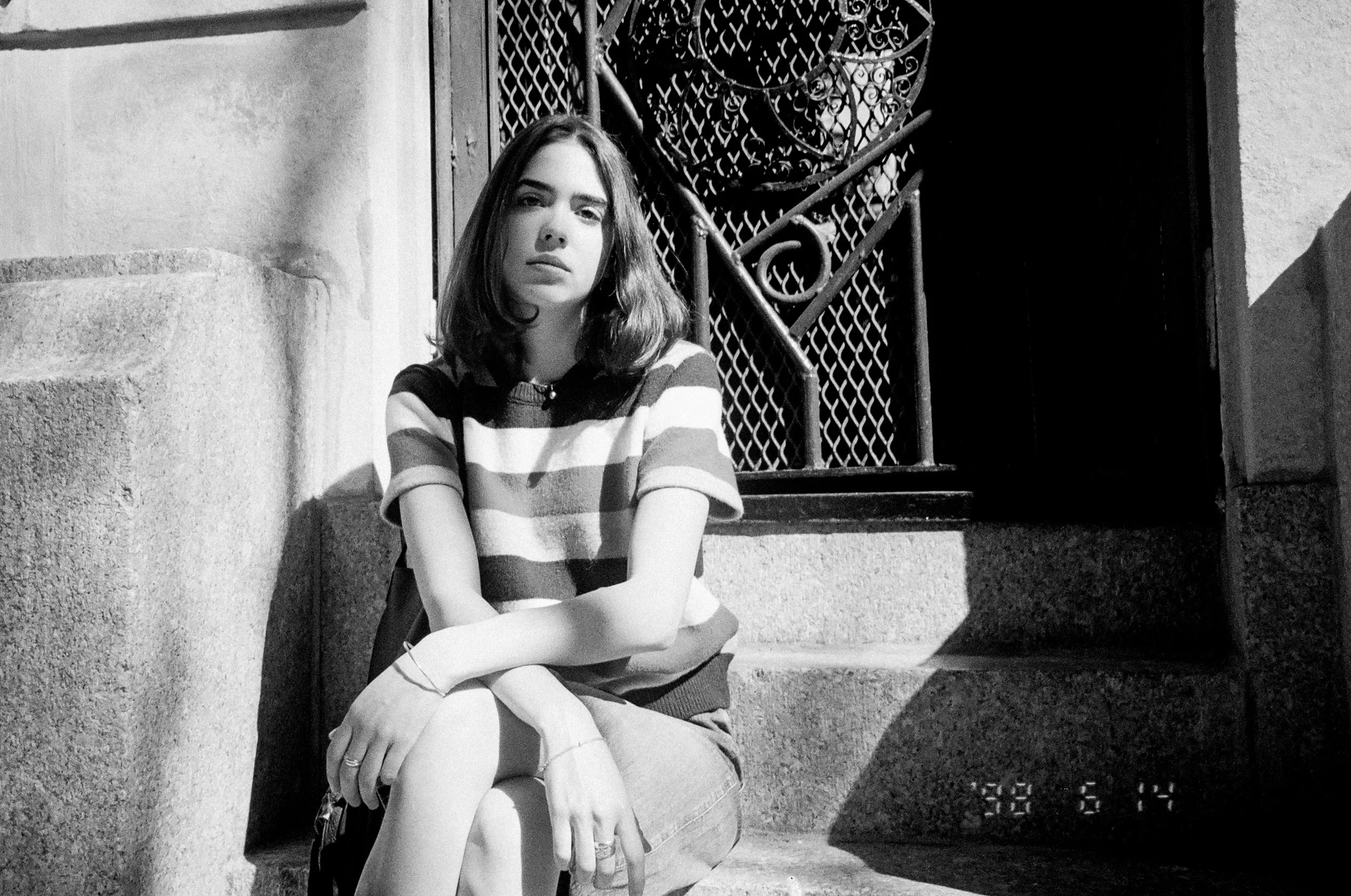
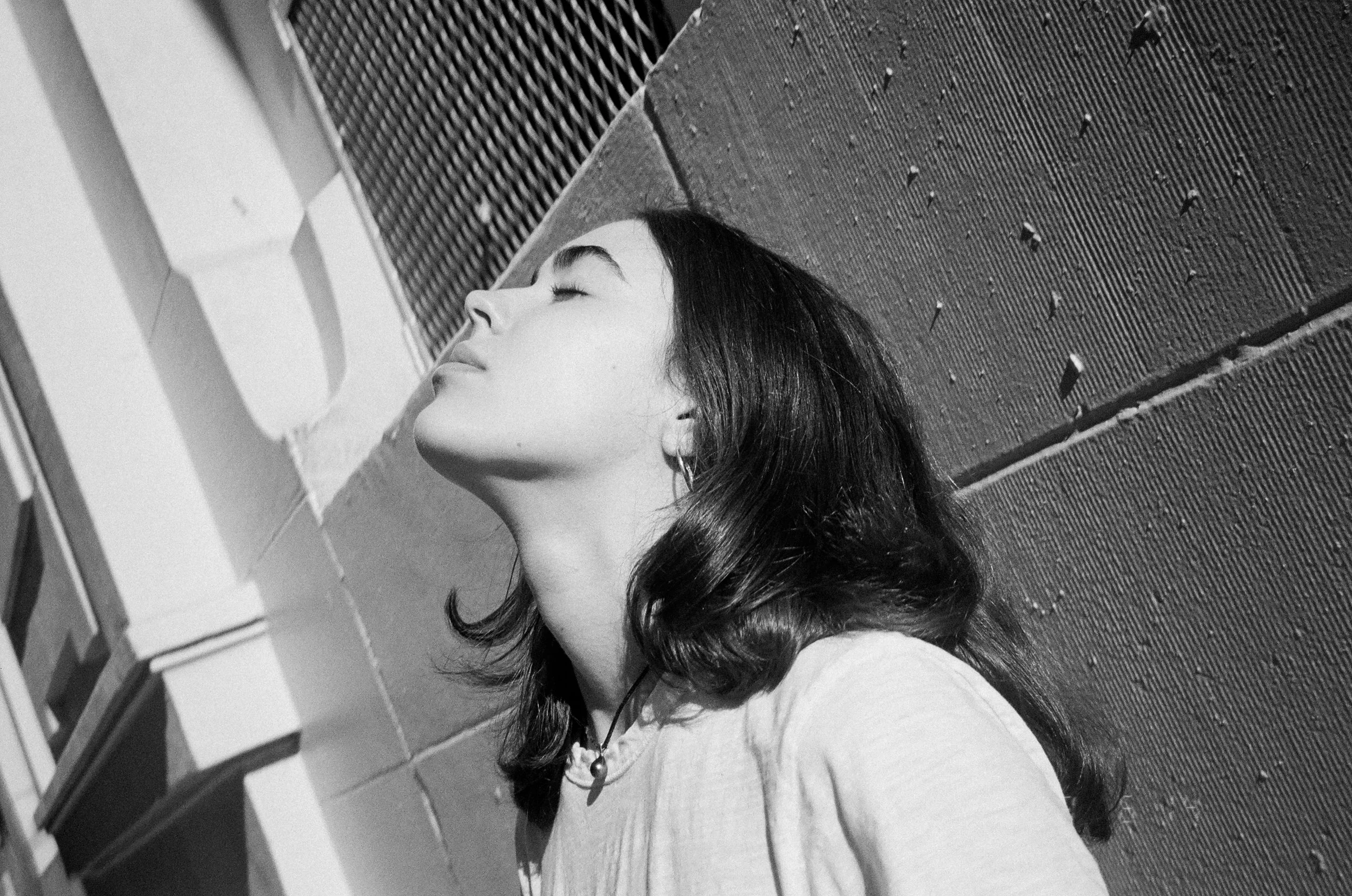
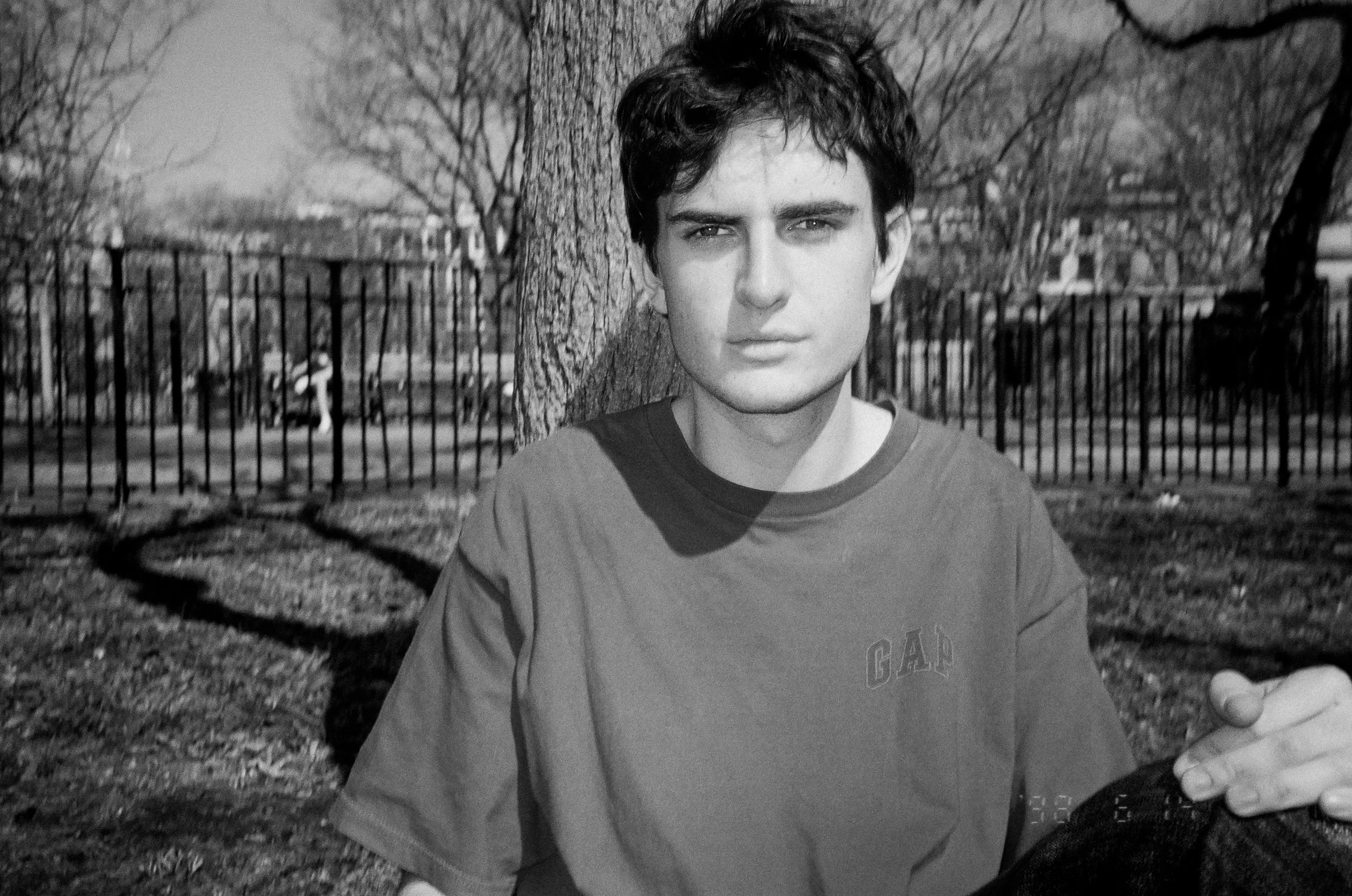
Apricitous, A Short Film
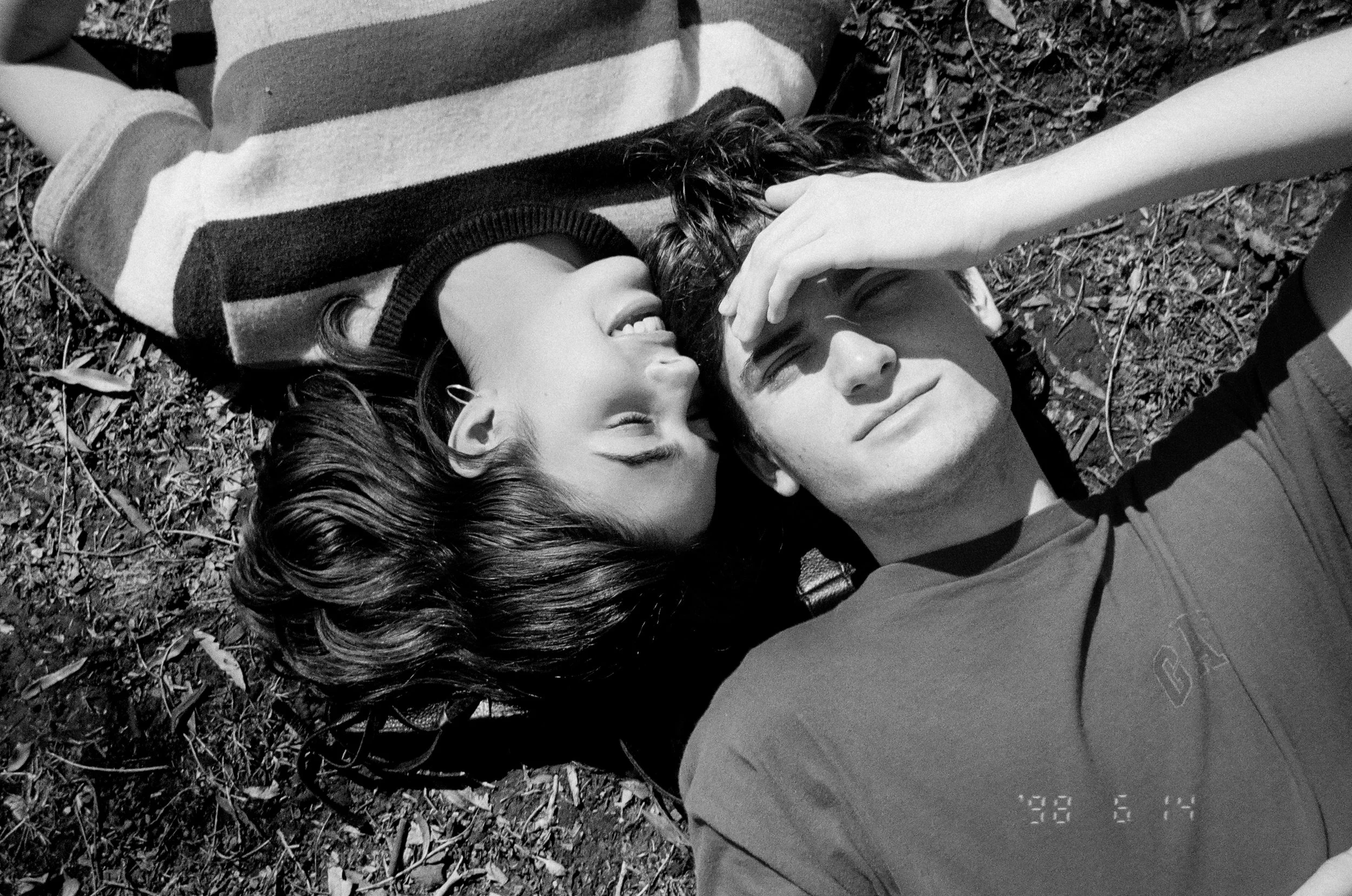
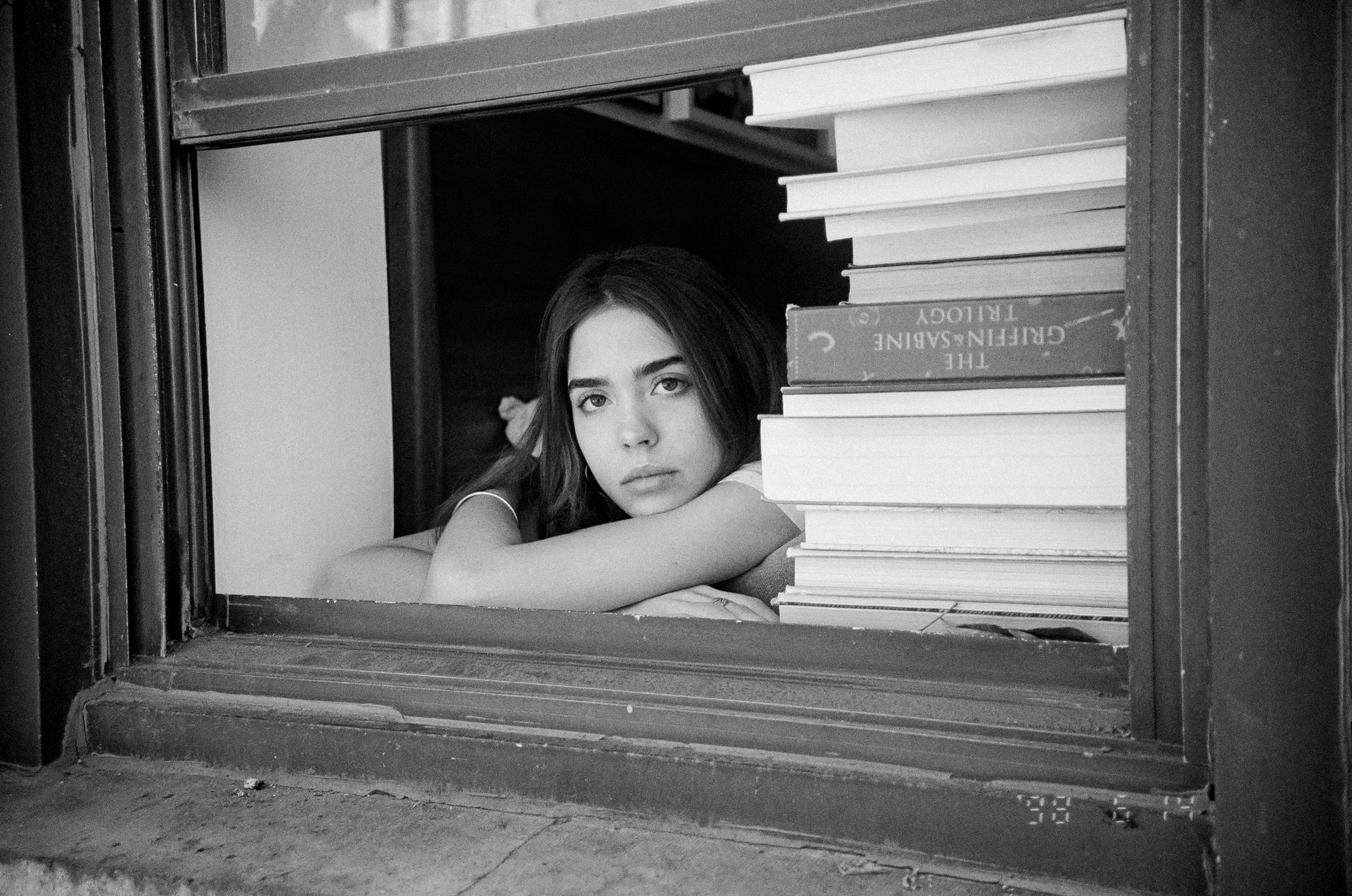
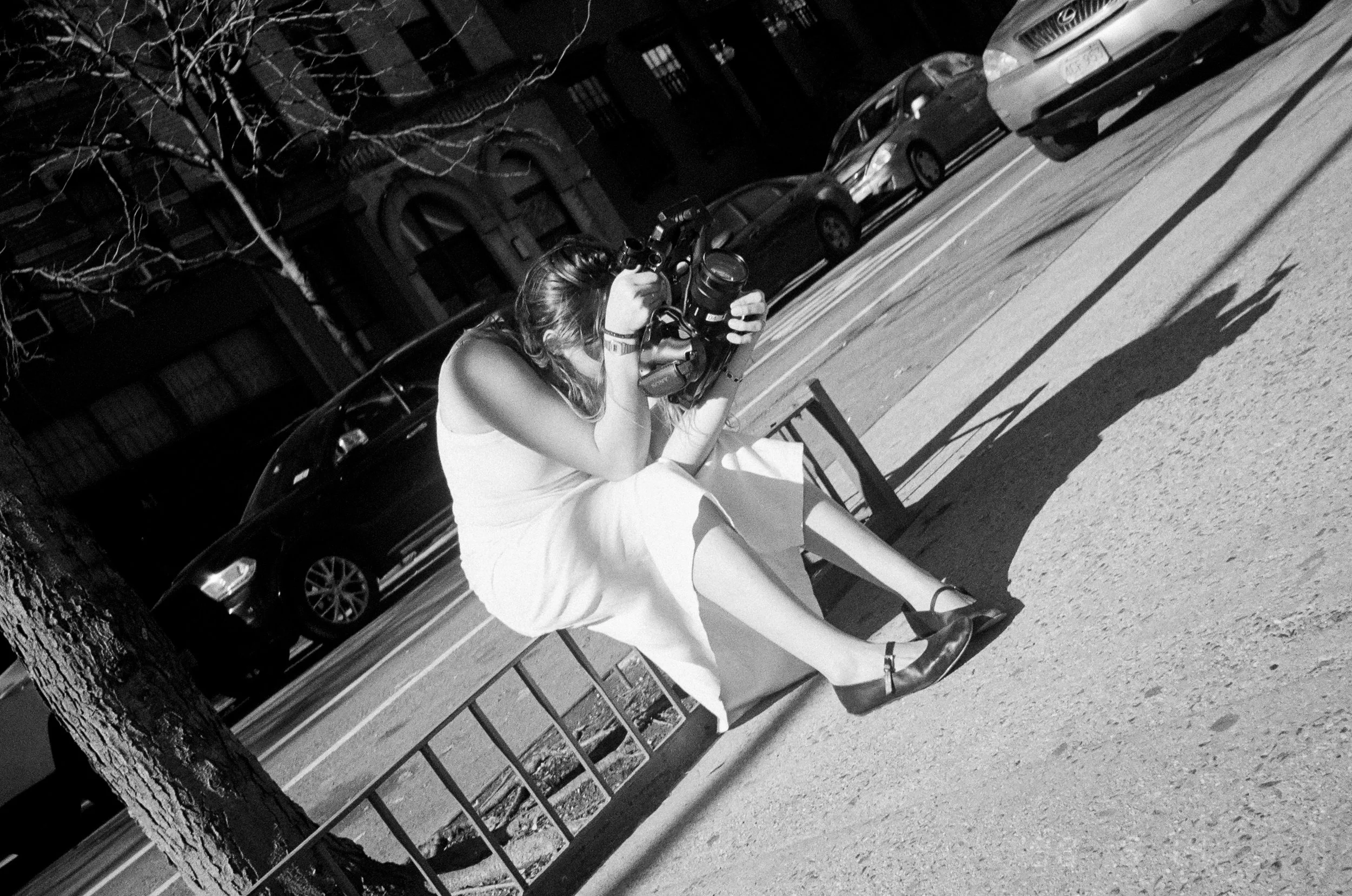
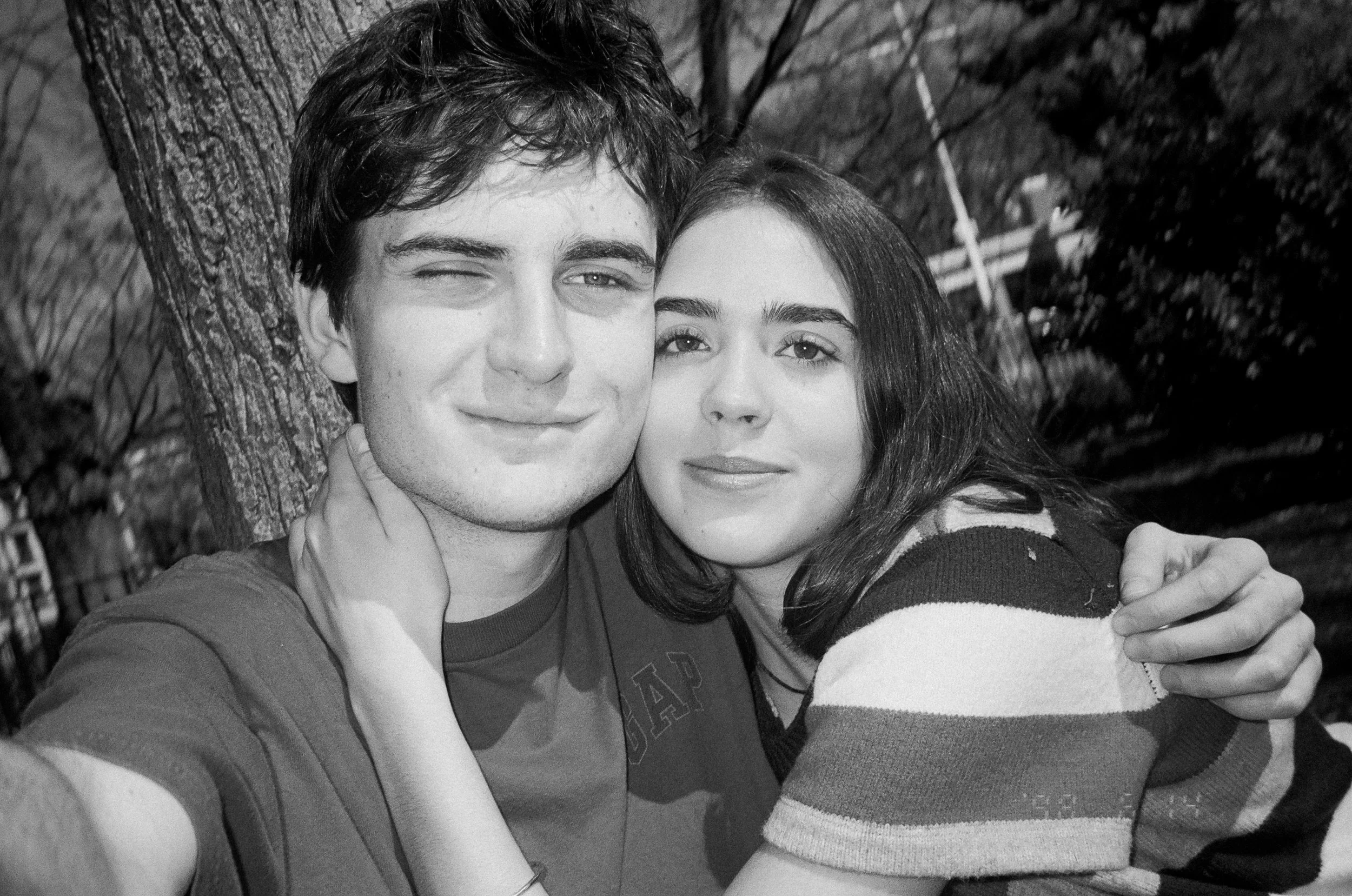
Language has always interested me as a site of negotiation: the way words expand or contract depending on who's using them and why. Apricitous began with exactly that kind of negotiation, on a café bench in the dead of winter, when a stranger offered my friend and me a word we didn't know: apricity. We argued about what it could hold. He thought it belonged strictly to the weather. I kept pushing at its edges, wondering if it could become apricitous– the way serendipity becomes serendipitous– and describe not just the warmth of winter sun, but what that warmth does to a person.
The argument was never settled. But it left something behind—a poem that eventually became the script and conceptual foundation for Apricitous.
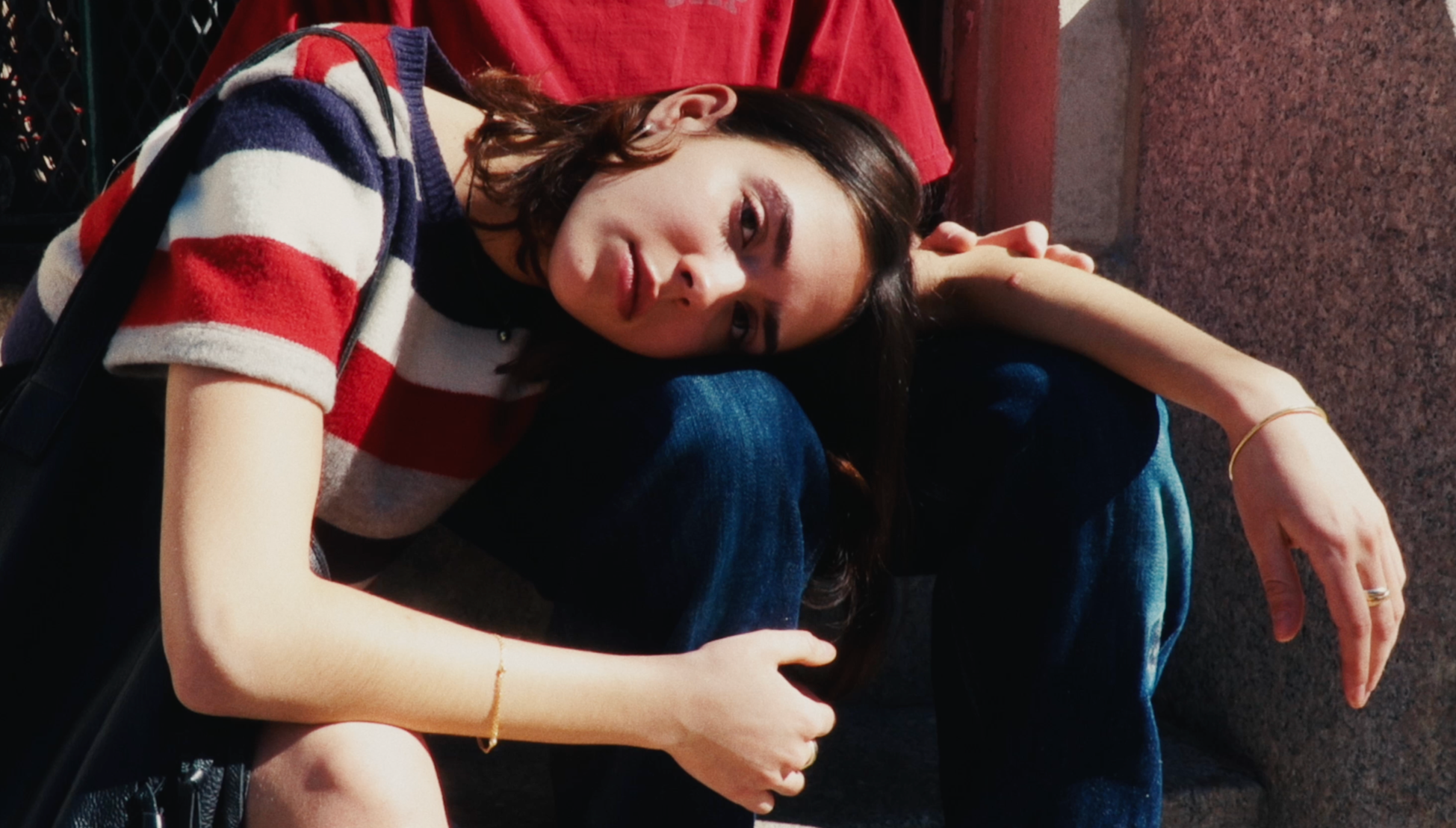
Written & Directed by Sabine Hickey.
Apricity is a term used to describe the fleeting warmth associated with winter sunshine.
The film visually explores the conceptual adaptation of this word, using a poetic framework to examine the extent to which ‘apricity’ is limited to describing the sun.
Ultimately, the film poses the question: Can something other than the sun be apricitous? Can the word’s inherent meaning transcend the simple condition of the weather? Most importantly, can a person feel apricitous?
Golf Ball Consciousness,
The Wisdom of David Lynch.
Blackbird, Another Family Portrait
My mother’s childhood unfolded as a scattered map of places across the United States, constantly moving and never rooted in one home long enough to gather a continuous story. As a result, many of her baby photographs remained unseen for decades, tucked away in boxes of fragmented memory.
During the Napa fires a few years ago, my family rescued several of those boxes from my grandmother’s basement, directly threatened by the blaze, and brought them to San Francisco. What emerged was a small archive of rediscovered images: intimate, dislocated, and suspended between absence and presence.
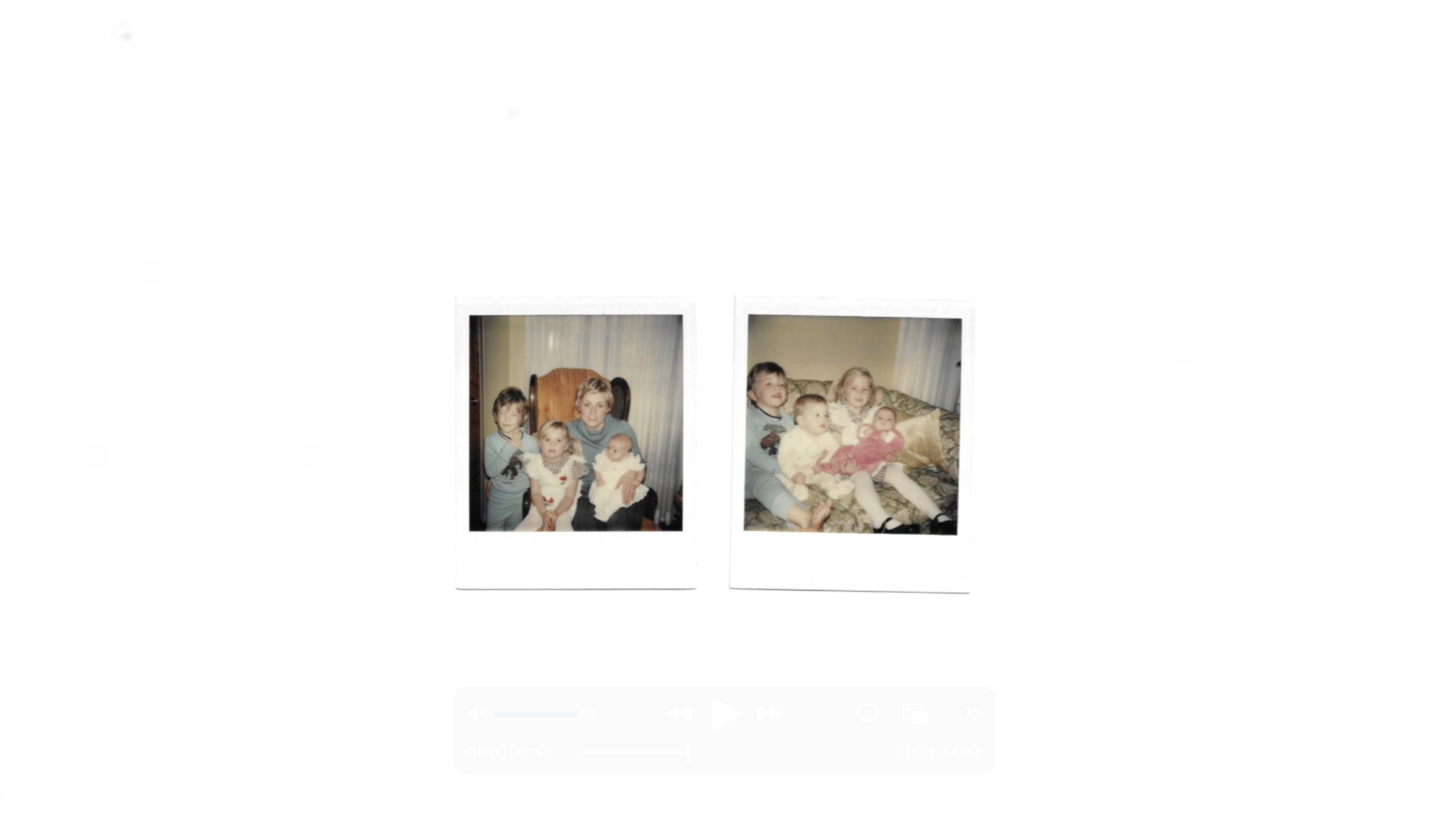
This project began as a gift to my mother, an attempt to trace belonging across dislocation. It evolved into an inquiry into how memory migrates, how photographs act as stubborn witnesses, and how family narratives are composed from rescued fragments. Through careful curation and quiet recontextualization, I examine the fragile intersection of displacement, preservation, and the tenderness of remembering what was almost lost.
Lines of Protest, A Short
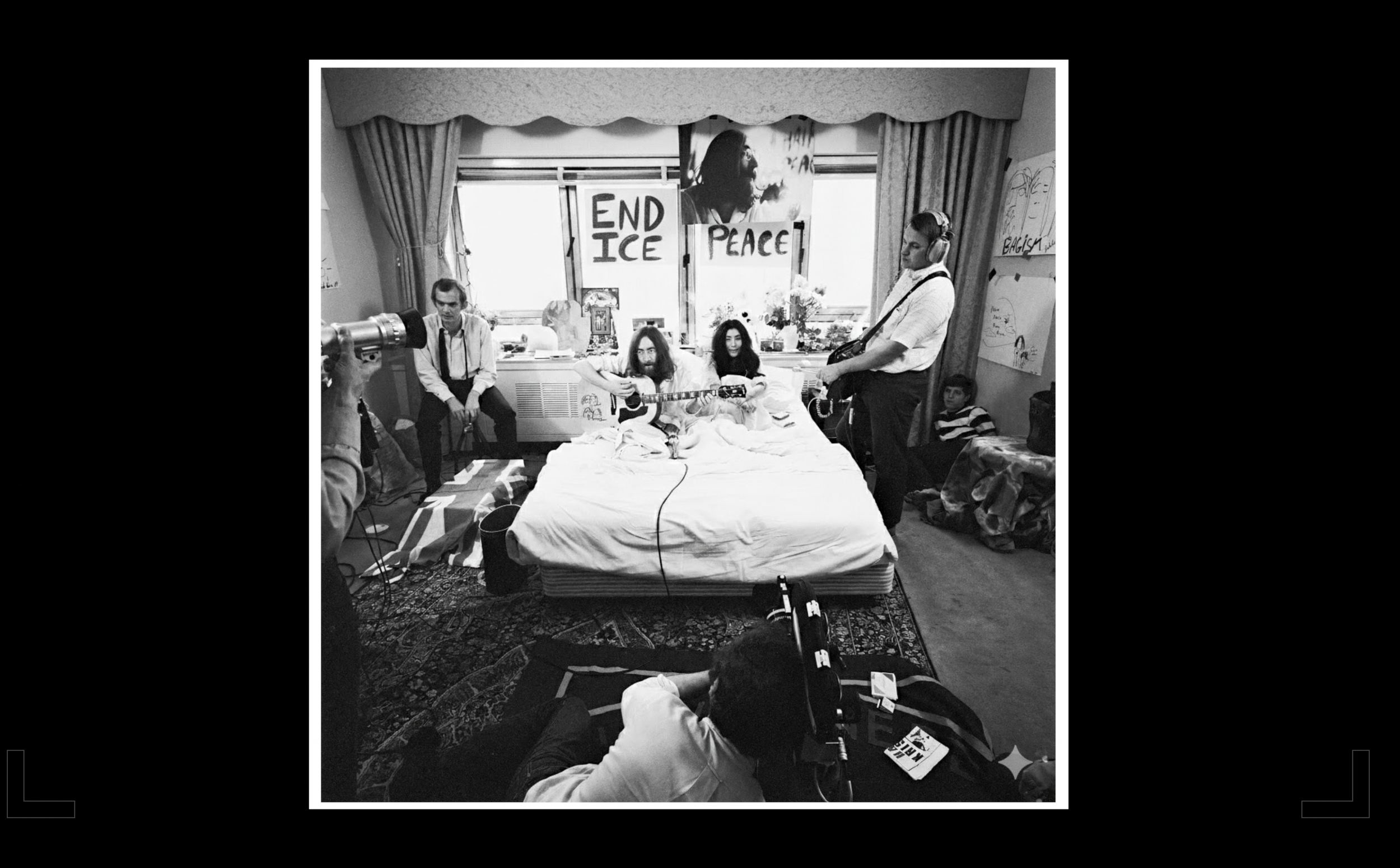
This project reimagines America’s political response to ICE violence through the lens of 1970s anti–Vietnam War protests. By blurring archival anti-war footage with images of NO-KINGs and ICE, the short invites audiences to confront the continuities between past and present state violence, to question narratives of progress, and to recognize the enduring power of collective resistance: urging viewers to reflect, mourn, and mobilize for systemic change.
Styling for Cyrano, A Short
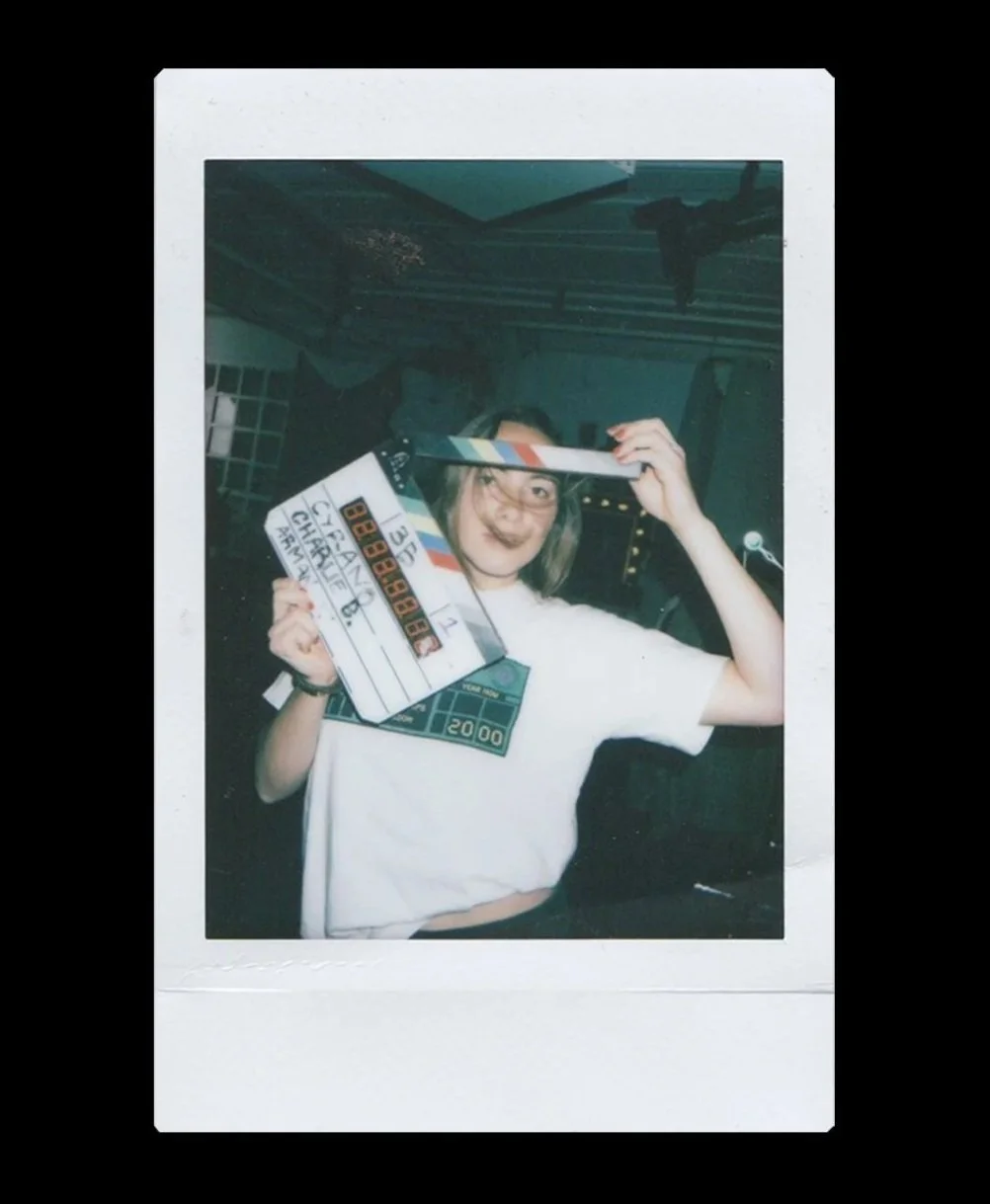
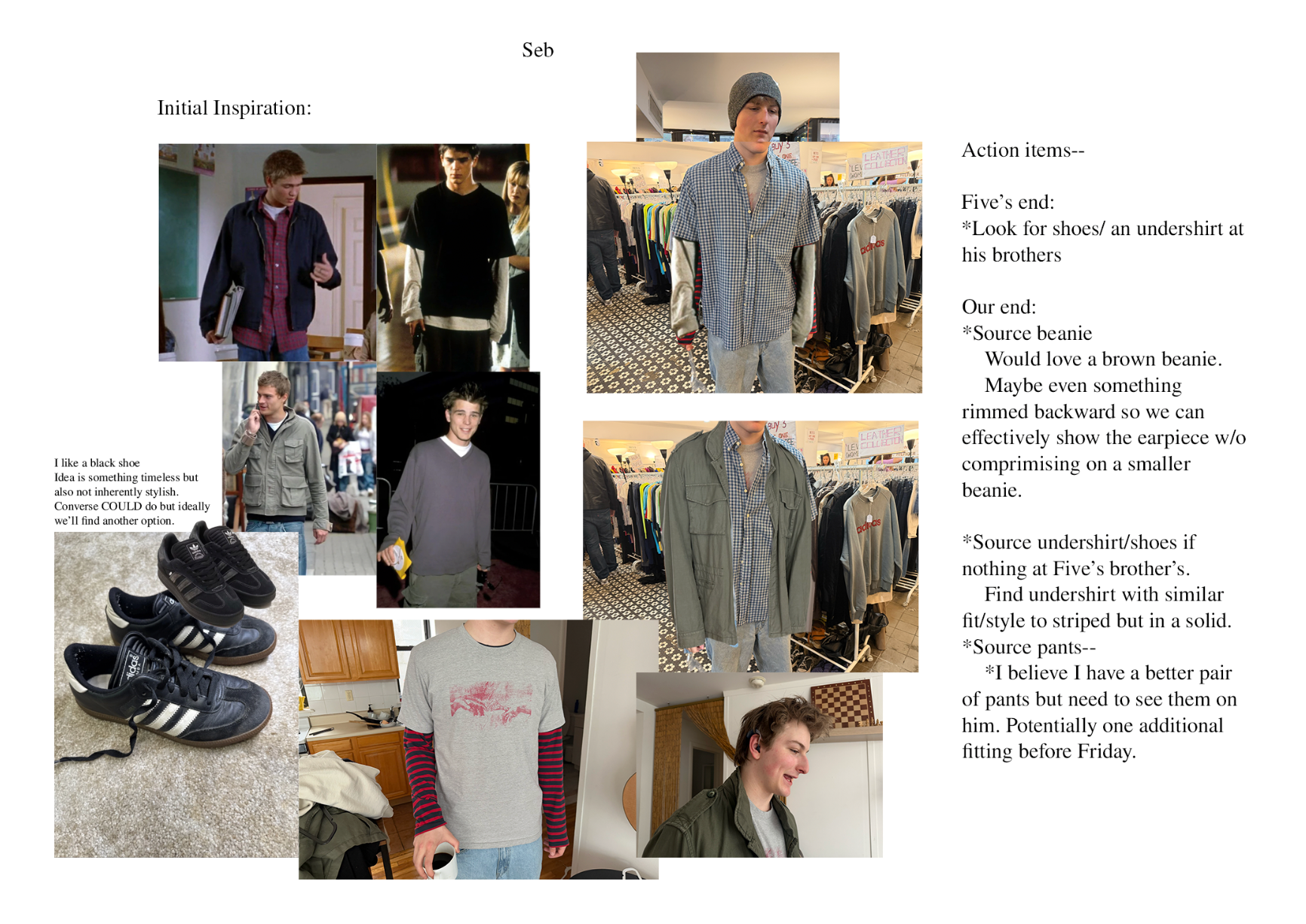
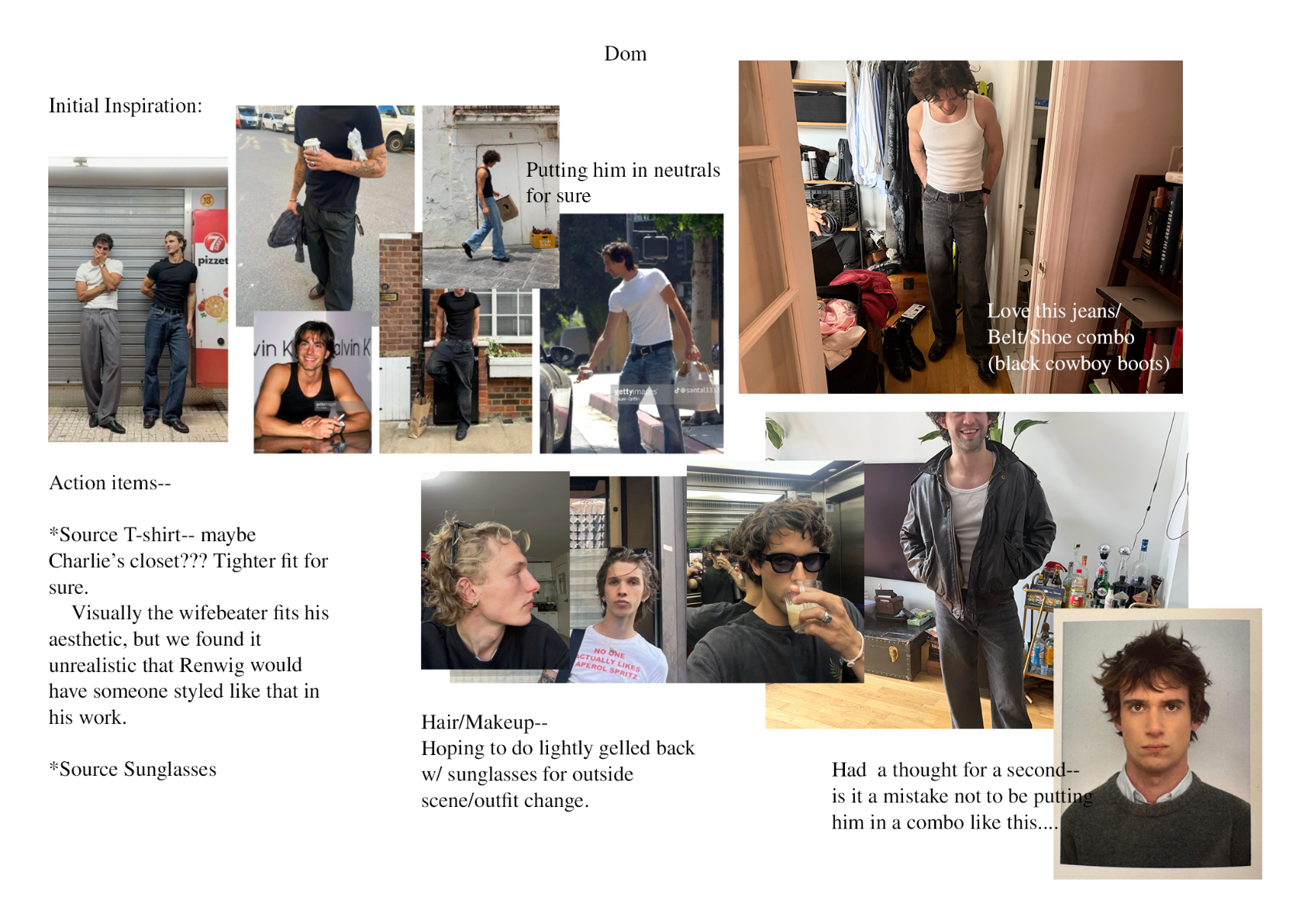
Cyrano explores mediated perception, recovery from trauma, and the fragile work of human connection as a young man navigates life through an implanted visual aid. I contributed to this project through wardrobe and styling, shaping character through clothing and on-set looks. My work focused on grounding the film’s contrast between polished performance worlds and intimate vulnerability, helping translate character backstories into visual detail.